
DHA supplementation in pediatric CF patients: A randomized, double-blind clinical trial
O’Connor M.G. Thomsen K. Brown R.F. Laposata M. Seegmiller A.C.
Brief Background: Increased inflammation is a significant contributor to the burden of cystic fibrosis disease. Metabolism of polyunsaturated fatty acids (PUFAs) is abnormal in cystic fibrosis and may contribute to a proinflammatory state. Docosahexaenoate (DHA) is known to reverse abnormal PUFA metabolism and CF pathology in a mouse model. Objective: The objective of this clinical trial is to determine if DHA can correct plasma PUFA levels and reduce production of oxygenated PUFA metabolites in pediatric patients with CF. Study Design: This is a randomized, double-blind, cross-over clinical trial.
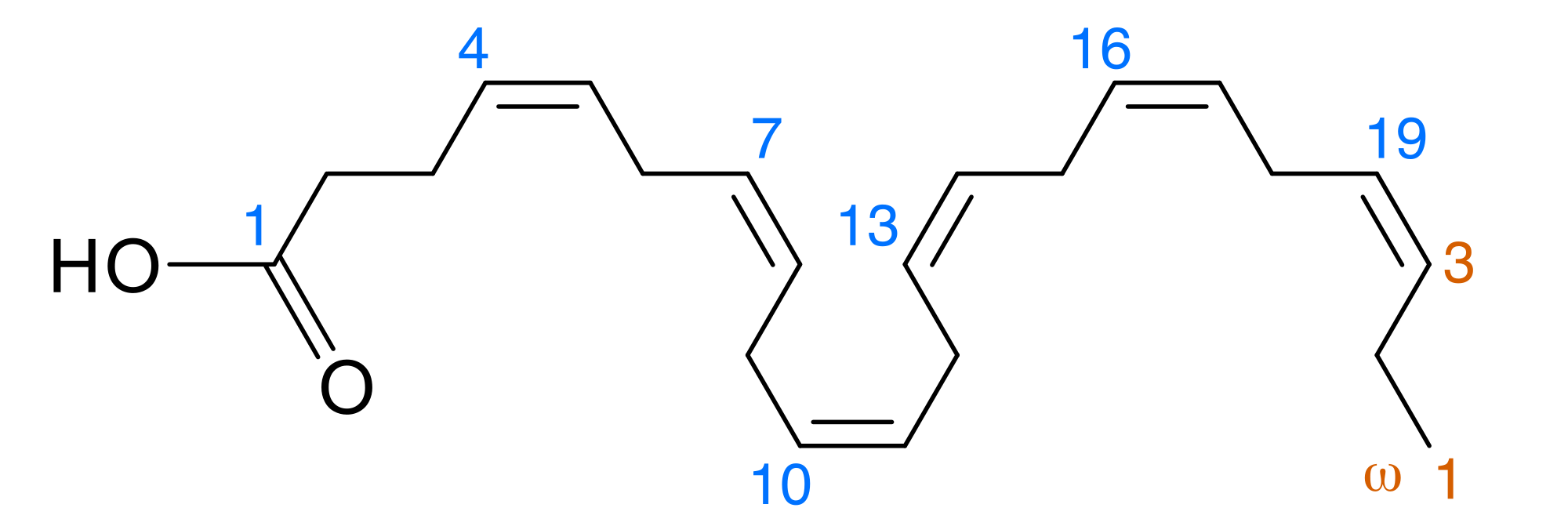
Patients with CF age 6 to 18 years with pancreatic insufficiency and an FEV(1) >40% predicted were recruited. Exclusion criteria included: CF-related diabetes and liver disease as well as those with a fish allergy or those currently taking daily NSAIDS. The primary endpoints of the study are proinflammatory eicosanoids in the urine and exhaled breath condensate (EBC) and changes in the fatty acid profiles in the plasma. Each pediatric participant completed 3 four-week study periods in which they received DHA at high dose or low dose or placebo.
There was a wash-out period between each study period lasting at least 4 weeks. Blood was obtained at baseline and after each of the study periods for evaluation of plasma fatty acid profiles. Urine and exhaled breath condensate were also obtained at baseline and after each of the study periods for evaluation of inflammatory eicosanoids. Primary Endpoints: DHA x linoleic acid product (plasma PUFAs) and prostaglandin E(2) (PGE-M) in both urine and EBC. Interim Results:
 The study design is powered for 13 participants with a goal enrollment of 18 participants. Currently, 17 participants have been enrolled since mid-November 2013 with three individuals who dropped out prior to completing any study arm and two individuals who dropped out after completing some of the study arms. Because the power calculation has been met, no further participants will be enrolled. The last participant completed the study on April 16, 2015 and we are now in the process of analyzing the samples. Baseline data indicate that the participants have decreased plasma DHA and linoleic acid in comparison to historical healthy controls, consistent with historical CF values.